Premium Auto Detailing Marketing: Positioning, Proof, and Client Experience
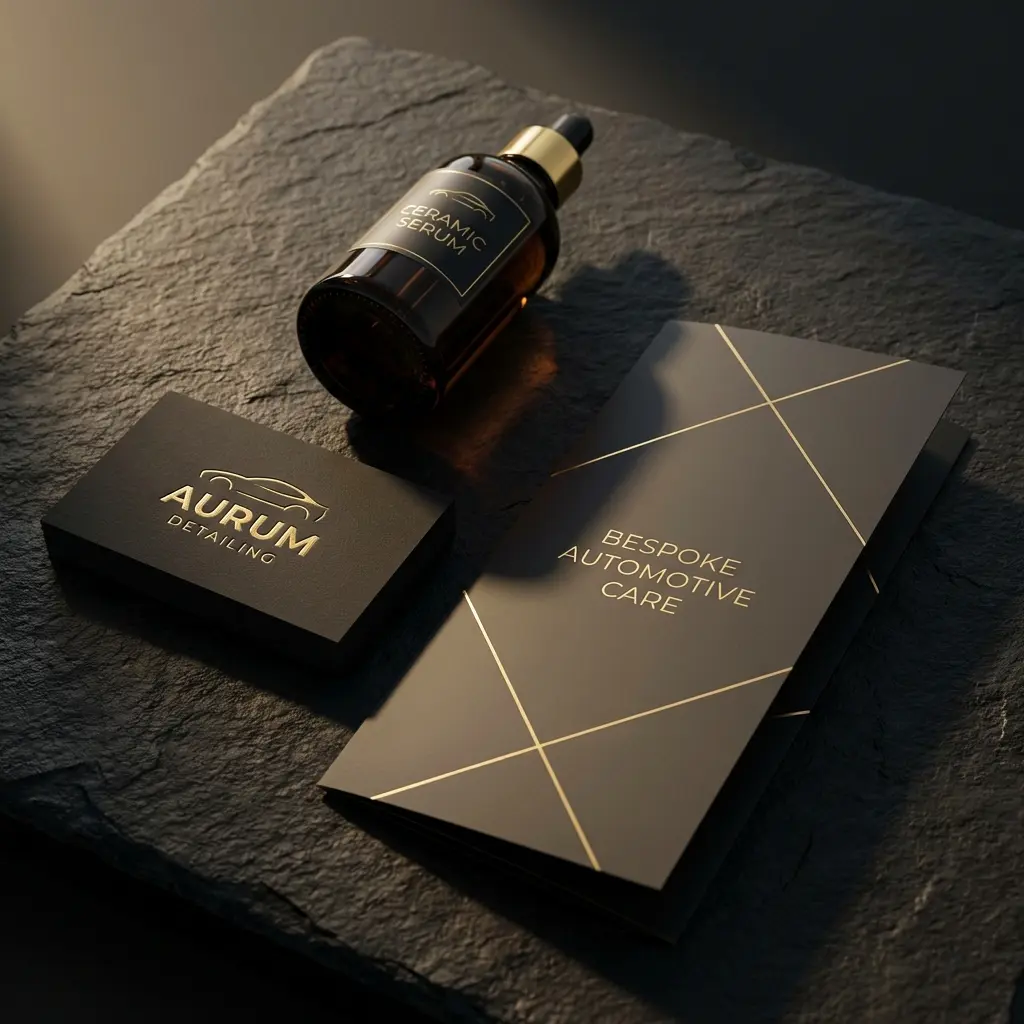
This guide covers premium positioning and service experience within the broader car detailing marketing system. “Premium” should describe the complexity, care, documentation, reliability, and risk reduction of the offer—not assumptions about a customer's wealth, vehicle badge, neighborhood, age, or social group.
Define the Premium Service Before Promoting It
A higher price is credible only when the offer has meaningful differences the customer can understand and the shop can deliver consistently. Document the target use case, inspection, preparation, process, products, technician capability, environment, quality control, handover, aftercare, warranty, exclusions, and issue-resolution policy.
| Positioning claim | Required proof | Customer value |
|---|---|---|
| Specialist expertise | Current training, certification, authorization, process records, relevant work | Lower execution uncertainty |
| Careful vehicle handling | Intake inspection, custody record, keys, protection, movement, and incident protocols | Reduced risk while the vehicle is entrusted to the shop |
| Consistent finish | Defined process, inspection lighting, quality-control checklist, documented limitations | Clear expectation of what will be delivered |
| Convenient ownership experience | Accurate scheduling, updates, transport or storage terms, handover and aftercare | Less time and coordination burden |
| Long-term support | Written warranty, maintenance plan, inspection and claim process | Clarity after the initial service |
Premium Positioning Statement
Build the message from five facts:
- Audience by need: owners seeking a defined level of correction, preservation, presentation, convenience, or documentation
- Service: the precise package or specialist work
- Difference: the process, capability, environment, or support that materially changes the experience
- Proof: what verifies the difference
- Next step: inspection, consultation, estimate, or booking appropriate to the service
Avoid empty terms such as “elite,” “exclusive,” “best,” or “white glove” unless the page explains what the customer actually receives. Do not suggest that an expensive vehicle automatically indicates service fit or willingness to buy.
Design the Customer Experience as an Operating Standard
| Stage | Standard | Evidence retained |
|---|---|---|
| Enquiry | Accurate response expectation and consistent qualification | Source, service need, owner, status, next action |
| Inspection | Condition, goals, risks, limitations, price factors, and recommendation documented | Photos, notes, estimate, approval |
| Vehicle intake | Identity, condition, mileage, belongings, keys, custody, and authorization confirmed | Signed intake and condition record |
| Service | Approved process, products, environment, progress updates, and change authorization | Work order and exception record |
| Quality control | Defined inspection, issue correction, and acceptance criteria | Completed checklist and final images |
| Handover | Work explained, limitations and aftercare stated, warranty and payment documents delivered | Completion and customer acknowledgement |
| Aftercare | Support channel, maintenance timing, and issue-resolution path | Follow-up and service history |
Build Proof Around the Decision
Show real work that matches the service being sold, not only prestigious vehicle badges. A daily-driven vehicle with documented paint correction can provide stronger evidence than an exotic vehicle photographed without process context.
- Permission-based before-and-after comparisons produced with the detailing proof-capture guide
- Process evidence explaining inspection, preparation, correction, application, curing, and quality control
- Current credentials or authorizations with their actual scope
- Customer feedback tied to a real service without invented or selectively misleading claims
- Facility, mobile setup, equipment, products, and handling procedures relevant to risk reduction
- Clear warranty, maintenance, pricing-factor, and limitation information
Price From Scope and Economics
Price should reflect labor, products, facility or travel, technician capability, correction risk, documentation, aftercare, warranty exposure, overhead, and target contribution. Do not raise price merely to look premium, hide mandatory preparation behind a low starting price, or imply that discounts automatically signal low quality.
Present packages only when their differences are material and understandable. Explain who each option is for, what is included, what is excluded, what changes the estimate, and the maintenance responsibility. A consultation-first path can be appropriate when condition determines scope.
Select Channels From Verified Demand
| Channel | Use when | Validation |
|---|---|---|
| Search and local visibility | People actively seek the specialist service in the genuine service area | Qualified visibility, enquiries, bookings, completed work |
| Educational content | The shop can answer high-consideration questions with real expertise | Assisted enquiries and sales use, not follower count alone |
| Referral | Completed customers are eligible and willing to introduce others | Traceable completed work net of reward cost |
| Partner pilot | A dealership, restorer, body shop, club, or specialist serves a genuinely complementary need | Qualified introductions, service fit, economics, fulfilment burden |
| Paid campaigns | The offer, proof, lead path, measurement, and acquisition ceiling are ready | Completed contribution rather than platform leads |
Premium Positioning Audit
- Every premium claim maps to a documented process or proof item
- Audience language describes needs and service fit, not wealth or status stereotypes
- Website, ads, estimates, intake, service, and handover make the same promise
- Pricing, scope, exclusions, warranty, and aftercare are understandable
- Photographs and testimonials have appropriate permission and context
- The business records qualified, booked, completed, repeat, referral, complaint, rework, and contribution outcomes
Frequently Asked Questions
How do I get the first customers for a premium detailing service?
First validate the service with real, permission-based work and documented economics. Then test the channel that matches verified demand—search, existing customers, suitable partners, or educational content. There is no universal fastest source.
Should luxury auto spas run Google Ads?
Only when the relevant service has search demand, a truthful landing page, working qualification and attribution, an affordable acquisition ceiling, and capacity. Vehicle-specific campaigns require genuine expertise and useful page content; a badge inserted into keywords is not differentiation.
What Instagram content performs best for luxury detailing?
No format or vehicle type universally performs best. Test content that explains specialist decisions, process quality, vehicle handling, realistic results, and aftercare, then evaluate qualified business outcomes. The customer's vehicle badge is not proof of service quality.
Can a single-person luxury detailing operation compete with established shops?
It can compete when its capability, insurance, environment, capacity, custody controls, communication, continuity, and contingency plans fit the service. A larger team and a sole operator each have tradeoffs; neither structure is automatically better.
Conclusion
Premium detailing positioning is credible when the service difference is useful, documented, delivered consistently, and measured. Build the brand around expertise, care, clarity, and customer fit—not wealth stereotypes or prestige imagery alone.
Related Resources
- Car Detailing Marketing Guide
- Ceramic Coating Marketing Guide: How to Sell More High-Ticket Packages
- PPF Marketing and Lead Generation for Paint Protection Film Installers
- Mobile Detailing Service Areas and Booking
- How to Market a New Car Detailing Business From Scratch
Need the positioning and service journey reviewed? Read the full car detailing marketing strategy, explore our branding services, or request a car detailing growth audit.
Car Detailing Marketing Cluster
Build the full detailing growth system
Ready to apply this to your brand?
We partner with brands looking to scale profitably.
Apply for a strategy call