Discovery
Patients find the clinic through Google, Instagram, Meta Ads, referrals, local search, or treatment content.
Build a patient acquisition system that helps your clinic attract better-fit consultations through SEO, Google Ads, Meta Ads, website conversion, reviews, and automation.
Built for aesthetic clinics, med spas, injectable clinics, laser clinics, and medical aesthetics brands that want predictable growth without relying only on discounts or random social posting.
NO CONTRACTS. NO VANITY METRICS. JUST PREDICTABLE BOOKINGS.
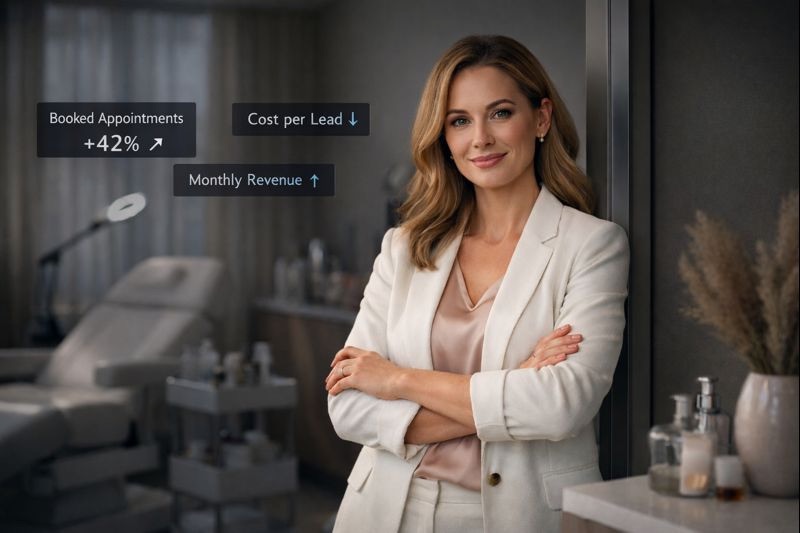
Connected Growth
Search to consultation
Visibility, trust, booking, and follow-up
Built for high-intent clinic growth across SEO, Google Ads, Meta Ads, websites, branding, and responsible AI-powered follow-up systems.
What you will learn
Understand how search, paid media, local trust, conversion, and follow-up work together instead of operating as disconnected tactics.
Related Resources
Rank locally for treatment and clinic searches.
Understand cost, intent, and booking strategy.
Turn attention into qualified consultations.
Attract high-intent Botox patients.
Lower booking cost for laser campaigns.
Promote recurring facial revenue.
Compare organic visibility and paid demand.
Win more local map-pack visibility.
Plan SEO, ads, creative, and website spend.
Convert visitors into consultations.
Build a predictable consultation funnel.
Create trust and demand for injectable clinics.
Scaling clinics, med spas, and cosmetic studios daily
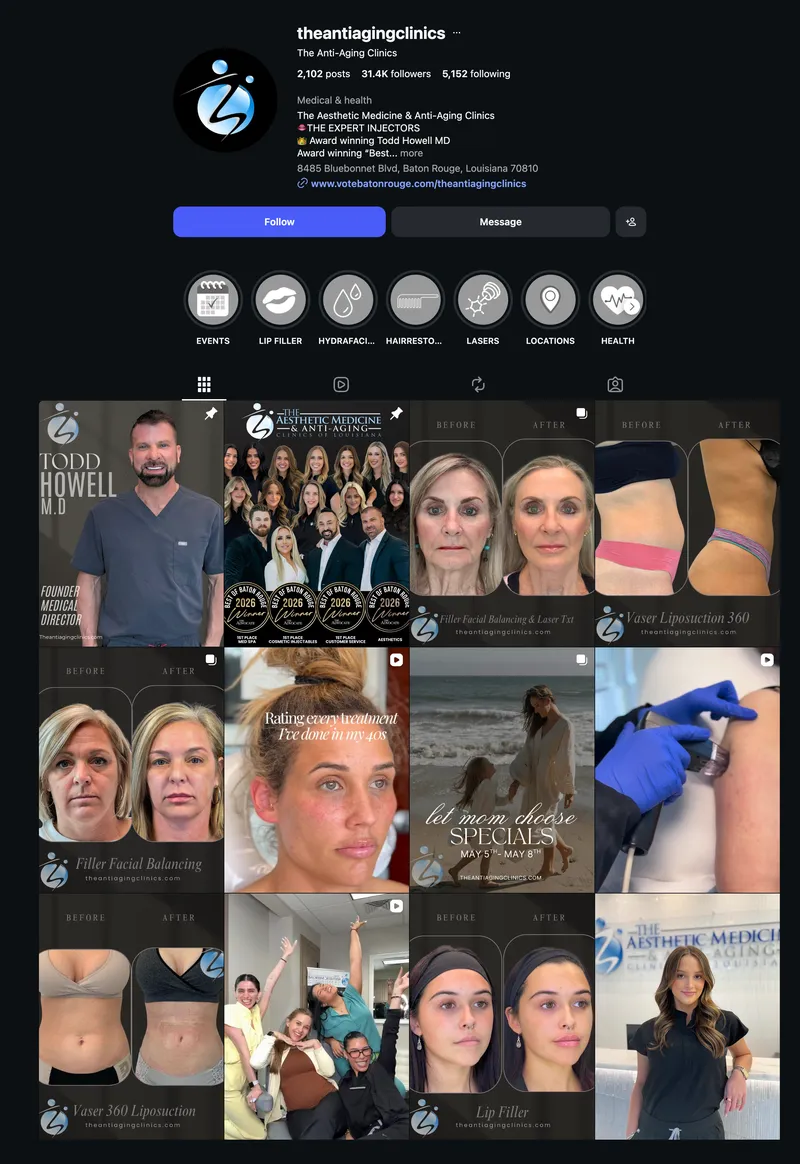
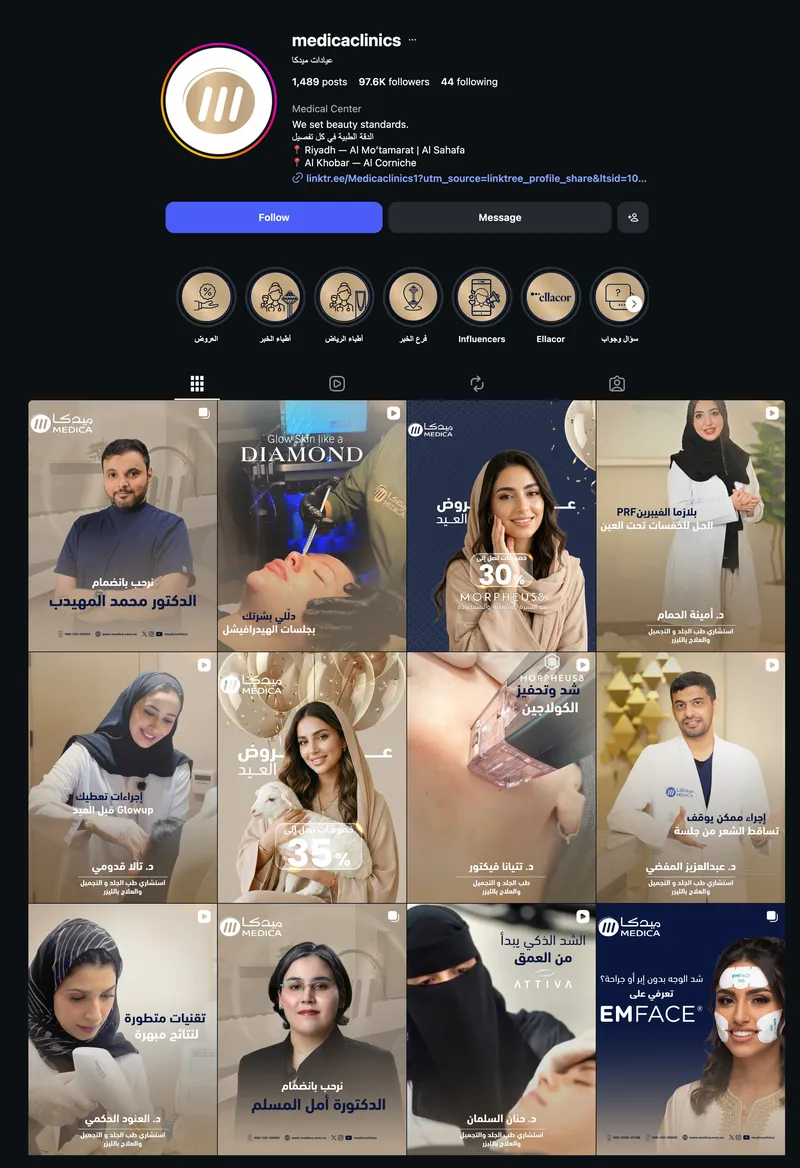
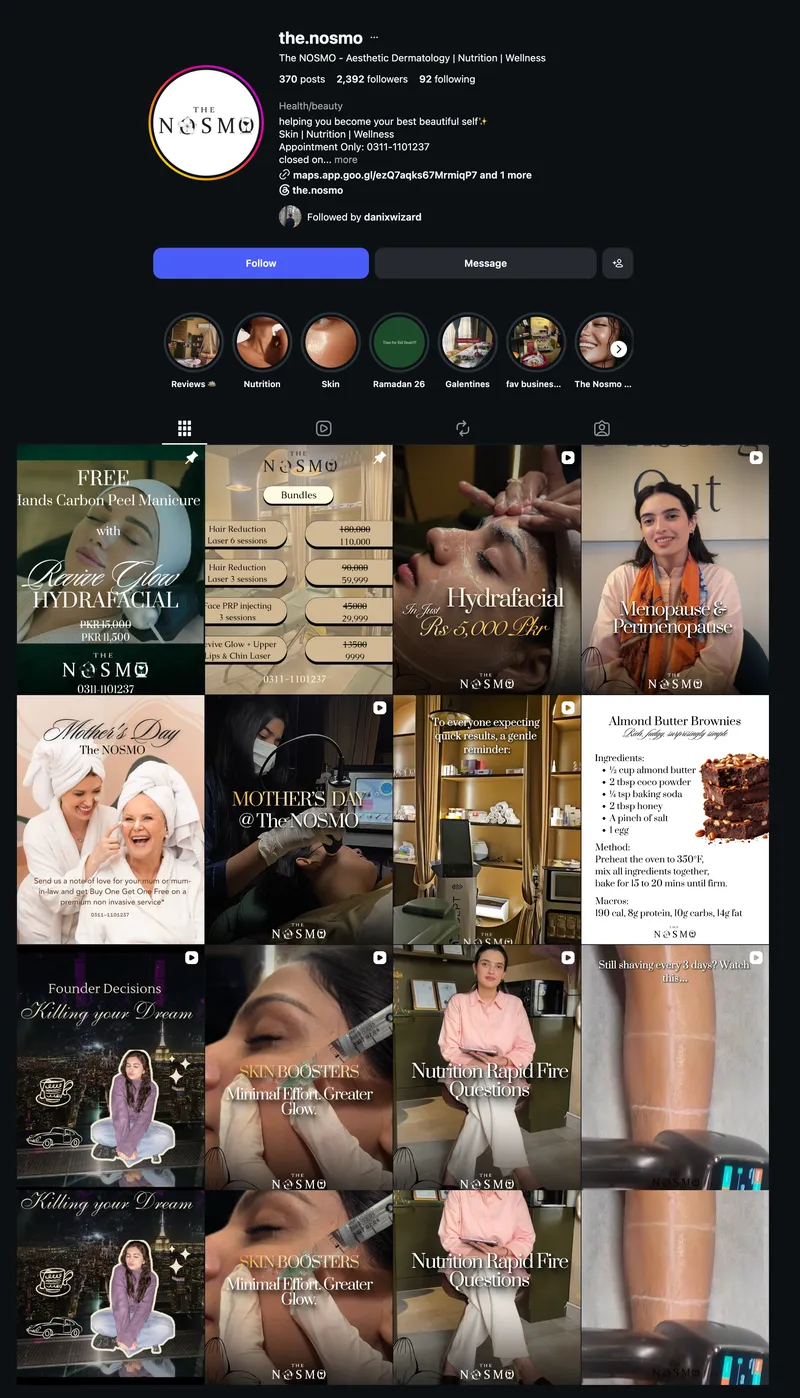
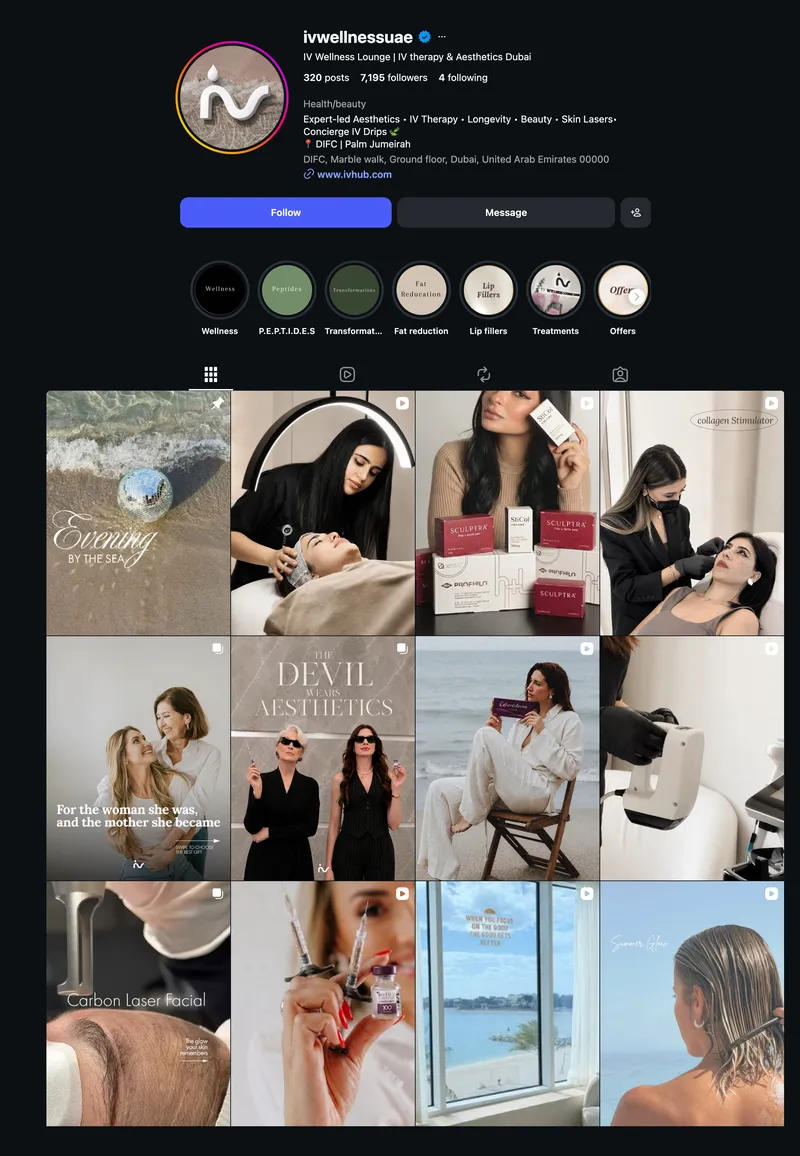
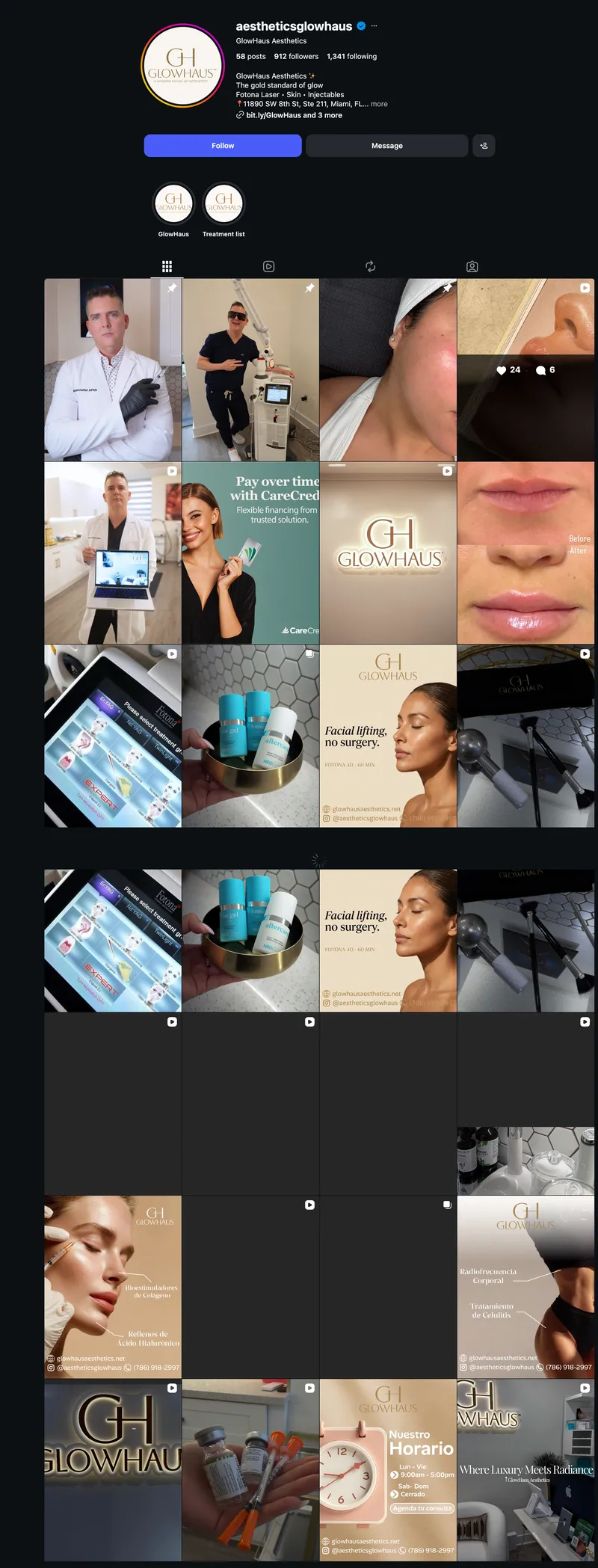
The connected growth model
Most patients do not book after seeing one ad. They move through discovery, research, trust-building, consultation, treatment, and follow-up. Clinic marketing should support every stage.
Patients find the clinic through Google, Instagram, Meta Ads, referrals, local search, or treatment content.
They compare services, credentials, pricing guidance, treatment pages, reviews, and visual proof.
They look for safety, practitioner expertise, realistic outcomes, and evidence of a reliable patient experience.
The website, booking form, and follow-up process make the next step clear and low-friction.
The in-clinic experience determines whether the patient returns, refers others, or leaves a review.
A consistent review workflow strengthens patient confidence and local search visibility.
Reactivation, memberships, referrals, and retention increase lifetime value and predictability.
Aesthetic clinic marketing is the strategy used to attract, convert, and retain patients for treatments such as Botox, dermal fillers, laser hair removal, skin rejuvenation, Hydrafacial, and body contouring.
A complete strategy connects search engine optimisation, Google Ads, Meta Ads, website conversion, review growth, social proof, email and SMS follow-up, CRM automation, and retention campaigns. The goal is not visibility alone. It is qualified patient demand.
Each channel has a distinct job. SEO builds long-term visibility, Google captures active demand, Meta creates and nurtures demand, the website converts interest, reviews reduce uncertainty, and automation keeps leads from being ignored.
The advantage comes from integration. A clinic relying only on Instagram can miss high-intent searches. Paid traffic sent to a weak landing page can waste demand. SEO without a short-term acquisition channel may take too long to support immediate capacity.
Build lasting visibility for treatment, provider, and local searches.
ExploreCapture high-intent patients actively comparing treatments and clinics.
ExploreCreate demand, educate local audiences, and retarget interested visitors.
ExploreTurn attention into calls and consultation requests with clear conversion paths.
ExploreReinforce local rankings and reduce uncertainty at the point of decision.
ExploreRespond, nurture, remind, reactivate, and request reviews consistently.
ExploreMarketing an aesthetic clinic is not the same as marketing a restaurant, a retail store, or even a general healthcare practice. Several factors make this industry uniquely challenging — and uniquely rewarding when done right.
A single Botox session can cost $300–$800, and a laser treatment package can run into the thousands. These aren't impulse purchases. Patients need to trust the provider's qualifications, the clinic's hygiene standards, and the results before they'll book — let alone return for maintenance sessions.
Results sell. Before-and-after photos, video testimonials, and real treatment footage consistently outperform generic stock photography or text-heavy messaging. Your marketing must be built around visual proof from day one.
Medical advertising regulations vary significantly by country and even by state or province. Claims about results, pricing, and before/after imagery are often restricted on both Google and Meta's advertising platforms. Successful campaigns are built with compliance in mind from the start, not retrofitted after a rejection.
Nearly every search for aesthetic treatments includes a location component — explicitly ("Botox in Manchester") or implicitly through Google's local search results. Your Google Business Profile and local SEO presence often matter more than your domain authority.
Unlike many service businesses, aesthetic clinics thrive on repeat visits. Botox typically needs topping up every 3–4 months; laser packages are sold in multi-session bundles. This means your marketing strategy needs to account not just for new patient acquisition, but for retention, reactivation, and membership or loyalty programs.
Search engine optimization is the foundation of sustainable, low-cost-per-acquisition growth for aesthetic clinics. Unlike paid ads, SEO compounds over time — but it requires a structured approach across local, on-page, content, and technical SEO.
Click items to check them off as you complete your GBP updates.
| Timeframe | What Happens | Realistic Outcomes |
|---|---|---|
| Month 1–3 | GBP optimization, technical fixes, treatment page rebuilds, initial content published. | Indexing improvements, early ranking movement for low-competition local terms, minor traffic increase. |
| Month 3–6 | Content velocity increases, backlinks from local press/directories, reviews accumulate. | Noticeable increase in Map Pack visibility, ranking improvements for mid-competition terms, steady organic lead growth. |
| Month 6–12 | Topical authority established, multiple page-1 rankings for treatment + location terms. | Organic traffic becomes a primary lead source, reduced reliance on paid ads for branded/local terms. |
Google Ads delivers the fastest path to visibility for high-intent searches — people actively searching for a treatment, often ready to book within days. The key to profitable Google Ads campaigns is structure: poorly organized campaigns waste budget on broad, low-intent traffic.
Add these as negative keyword matches to prevent wasted clicks.
Lead with outcomes ("Smoother, Younger Skin") instead of only procedure names. Include price starting ranges ("From $299") to pre-qualify budget expectation. Always use location and call extensions.
Never send paid traffic to your homepage. Every ad group must point to a dedicated landing page mirroring the search query, featuring trust badges, reviews, pricing, and a clear booking widget.
Start with manual CPC or Maximize Conversions. Once you log 15–20 bookings, shift to Target CPA. Conversion tracking is non-negotiable (track calls, form submissions, and appointment checkouts).
| Clinic Size | Suggested Monthly Spend | Primary Focus |
|---|---|---|
| Single location, new | Modest starting budget, scaled based on CPL | 1–2 highest-demand treatments (e.g. Botox + laser), branded campaign. |
| Single location, established | Moderate budget across 3–5 campaigns | Full treatment menu coverage, retargeting campaigns, seasonal promotions. |
| Multi-location group | Budget allocated per clinic location | Location-specific campaigns, central branded campaign, Performance Max. |
Where Google Ads captures people who already know what they want, Meta Ads excels at creating demand — introducing your clinic and treatments to people who weren't actively searching, but who fit your ideal patient profile.
Meta is a discovery platform, not an intent-based one. Someone scrolling Instagram isn't searching for “laser hair removal” — but a well-targeted video showing a real treatment experience can stop the scroll and plant the idea. This makes Meta particularly powerful for visual storytelling: Reels showing the treatment process, carousel before/after sequences, and short patient testimonial clips consistently outperform static image ads.
Use **Awareness campaigns** for cold audiences (demographics/interests), **Retargeting campaigns** for website/landing page visitors, and **Lookalike audiences** modeled from your existing client list.
User-generated content (UGC) style video reels (under 30s) filmed on mobile phones consistently outperform high-cost studio production. Focus on the client journey and treatment comfort.
Meta's Health & Wellness policies ban unrealistic or dramatic transformation before/afters, and body-shaming or "idealized body image" framing. Run campaigns focused on skincare wellness and clinical safety.
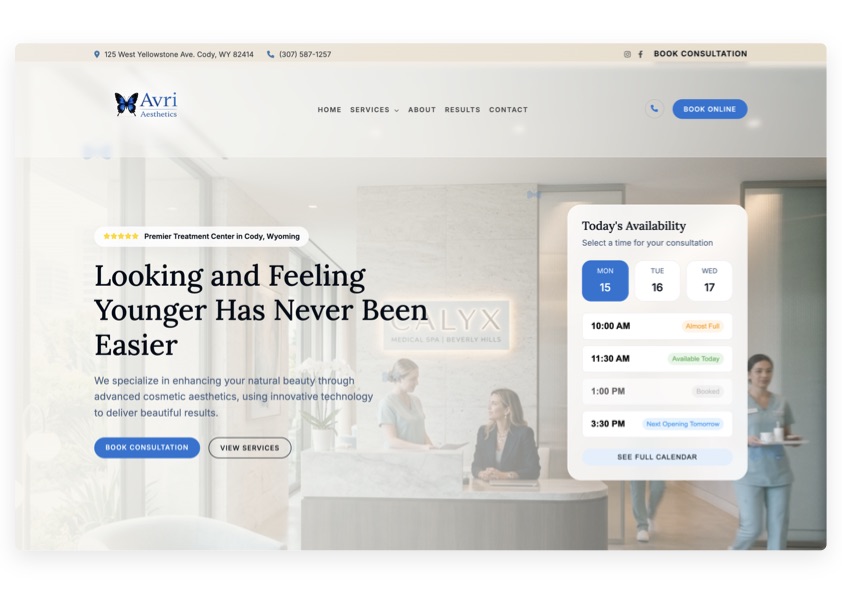
A beautiful website is not automatically a high-converting website. It must answer patient questions, make practitioner credibility visible, and give every important treatment a clear path to consultation.
Pretty but passive
Built to convert
Fix the follow-up gap
One of the largest clinic growth leaks is not traffic. It is delayed or inconsistent follow-up. Responsible automation helps the team respond quickly while keeping clinical advice and patient care human-led.
One of the most common questions clinic owners ask is whether they should invest in Google Ads, Meta Ads, or SEO. The reality is that each channel serves a different purpose within the patient acquisition journey.
Google Ads capture demand. Meta Ads create demand. SEO compounds demand.
Patients searching for "Botox near me" or "Laser Hair Removal in Dallas" are already looking for a provider. Google Ads allow your clinic to appear immediately for these searches and generate consultations quickly.
Patients are not actively searching for treatments while scrolling Instagram or Facebook. Instead, compelling visuals, before-and-after journeys, and patient testimonials introduce treatments and create awareness. Meta builds familiarity and trust before they search.
By ranking organically for treatment-specific searches, clinics can generate consultations without paying for every click. While SEO requires time to gain traction, it often produces the lowest long-term cost per acquisition.
| Channel | Speed of Results | Cost | Lead Quality | Best For |
|---|---|---|---|---|
| Google Ads | Immediate | Higher | High | Capturing high-intent searches |
| Meta Ads | 2-6 weeks | Moderate | Medium | Awareness, education, retargeting |
| SEO | 3-12 months | Lower long-term | High | Sustainable long-term growth |
For most aesthetic clinics, the strongest strategy is not choosing one channel over another but combining all three.
Clinics that integrate all three channels typically achieve the most predictable and scalable growth.
Botox, fillers, laser, facials, and body treatments attract patients with different intent, urgency, and education needs. The channel and message should match the treatment.
| Treatment | Best channels | Content angle |
|---|---|---|
| Botox | Google Ads, local SEO, retargeting | Natural-looking outcomes, practitioner expertise, and first-treatment education. |
| Dermal Fillers | Instagram, Meta Ads, Google Search | Facial balancing, subtle results, safety, and practitioner skill. |
| Laser Hair Removal | SEO, Google Ads, seasonal Meta | Packages, treatment timelines, preparation, and long-term convenience. |
| Hydrafacial | Meta Ads, Instagram, email | Skin health, event preparation, memberships, and repeat appointments. |
| Body Contouring | Google Ads, retargeting, consultation funnels | Suitability, realistic expectations, timelines, and consultation value. |
| Skin Rejuvenation | SEO, education, Meta retargeting | Concerns treated, process, aftercare, and expected progression. |
Google Ads, local SEO, retargeting
Natural-looking outcomes, practitioner expertise, and first-treatment education.
Instagram, Meta Ads, Google Search
Facial balancing, subtle results, safety, and practitioner skill.
SEO, Google Ads, seasonal Meta
Packages, treatment timelines, preparation, and long-term convenience.
Meta Ads, Instagram, email
Skin health, event preparation, memberships, and repeat appointments.
Google Ads, retargeting, consultation funnels
Suitability, realistic expectations, timelines, and consultation value.
SEO, education, Meta retargeting
Concerns treated, process, aftercare, and expected progression.
Marketing budgets vary significantly depending on location, competition, treatment mix, and growth objectives. A single-location Botox clinic will have different requirements than a multi-location med spa group offering dozens of treatments.
The most successful clinics view marketing as an investment rather than an expense. Every marketing channel should be measured against consultation volume, booked treatments, and patient lifetime value.
SEO requires ongoing optimization, content creation, technical improvements, and local search management. It provides the lowest long-term cost per lead but requires patience and consistency.
$1,500 – $3,500/mo
Google Ads budgets depend heavily on treatment competition. High-demand treatments typically require larger budgets because of competitive bidding environments. Most focus on high-margin treatments first.
$2,000 – $5,000+/mo
Meta campaigns often require lower media spend than Google but typically generate colder leads initially. Retargeting campaigns generally provide the highest return on ad spend.
$1,500 – $4,000/mo
| Factor | In-House Team | Specialized Agency |
|---|---|---|
| Hiring Cost | High | Lower |
| Platform Expertise | Limited | Advanced |
| Campaign Setup | Slower | Faster |
| Access To Tools | Limited | Extensive |
| Reporting | Variable | Structured |
| Scalability | Difficult | Easier |
Commercial decision guide
A clinic needs more than a generic advertising vendor. Its agency should understand local search, treatment intent, patient trust, platform policies, website conversion, lead follow-up, and how booked consultations connect to revenue.
Performance marketing, SEO, websites, creative, tracking, and responsible automation around qualified patient acquisition.
Botox is one of the highest-volume, highest-frequency treatments in aesthetics — and one of the most competitive to market. A focused, dedicated strategy is essential.
Seasonal Peaks: Botox demand spikes around key social events: spring weddings, summer vacations, and winter holidays. Run targeted "book now" campaigns ahead of these seasons.
Loyalty & Memberships: Since Botox requires maintenance every 3–4 months, offering monthly subscriptions or banked points loyalty models significantly boosts patient lifetime value.
| Platform | Angle | Example Hook |
|---|---|---|
| Google Search | Price Transparency + Local Intent | "Botox in [City] — From $XXX | Qualified Practitioners | Book Online" |
| Meta (Cold) | Educational / Myth-Busting | "Think Botox looks 'frozen'? Here's what natural-looking results actually look like." |
| Meta (Retargeting) | Membership / Loyalty Offer | "You looked at Botox last week — here's how our membership makes it more affordable." |
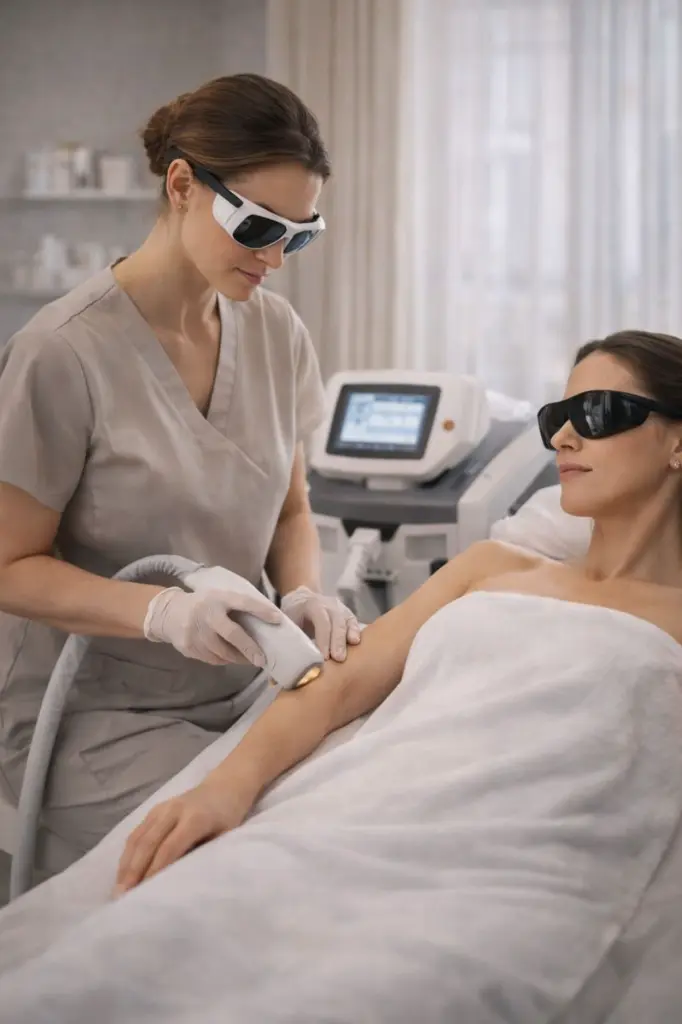
"Laser treatments" covers a wide range of services — most commonly laser hair removal and laser skin resurfacing — and these require different marketing funnels because patient motivations and price points differ significantly.
Typically lower price points, sold as multi-session packages (6–8 sessions). Characterized by high search volume and strong seasonal spikes (spring/pre-summer). Focus on pricing packages and upfront scheduling.
Higher price points, often positioned alongside premium anti-aging procedures. Requires deep patient education regarding post-treatment downtime and recovery. Focus on authority and visual results.
Show per-session cost vs total package savings. Framing this clearly drives high uptake on multi-session bundles over individual visits.
Address concerns head-on: "Does laser hair removal hurt?", "How many sessions do I need?", or "Day-by-day downtime after resurfacing."
Laser hair removal searches peak pre-summer. Start running campaigns early in the winter/spring, allowing patients time to complete their multi-session course.
| Platform | Angle | Example Hook |
|---|---|---|
| Google Search | Package Value + Urgency | "Laser Hair Removal Packages — Book Before [Season] | [City]" |
| Meta (Cold) | Process Education via Reels | Short video showing the actual treatment process to demystify the experience. |
| Meta (Retargeting) | Limited-Time Package Discount | "Still thinking about laser hair removal? Lock in your package before prices increase." |
Many clinics fail to generate predictable growth not because marketing doesn't work, but because the underlying strategy contains critical flaws.
Patients searching for Botox should land on a Botox page. Patients searching for laser treatments should land on a laser treatment page. Sending all traffic to a generic homepage dramatically reduces conversion rates.
Instagram can be valuable, but relying solely on organic social media creates an unpredictable patient pipeline. Algorithms change constantly and organic reach continues to decline.
Many clinics invest heavily in ads while neglecting their Google Business Profile. For local treatment searches, the Google Map Pack often generates more consultations than traditional website rankings.
Without proper tracking, clinics cannot determine which campaigns generate consultations, which treatments produce the ROI, and which keywords generate booked patients. Every decision becomes guesswork.
Slow-loading websites, confusing navigation, and weak booking processes create friction that reduces conversions. Patients expect a premium digital experience that reflects the quality of the clinic.
Most visitors do not book during their first visit. Without retargeting campaigns, clinics lose valuable opportunities to bring interested prospects back into the booking process.
Heavy discounting attracts price-sensitive patients rather than ideal long-term clients. Strong clinics compete on expertise, trust, outcomes, and patient experience rather than price alone.
Presentation Deck
High-Ticket Packages

Patient Experience
Beauty Services

Marketing Strategy
Use this checklist to evaluate whether your clinic has the foundations required for predictable patient acquisition.
Interactive practice benchmarks & growth foundations.
Clinics that complete the majority of this checklist generally establish a much stronger foundation for long-term growth than those relying on a single marketing channel.
These anonymised campaign examples show how strategy, execution, and measurement can be structured across local SEO, Google Search Ads, and Meta retargeting. Client identifiers are withheld; results vary by market, offer, budget, and clinic operations.
Common answers to the patient acquisition and marketing questions clinic owners ask.
Aesthetic clinic marketing is the connected system used to attract, convert, and retain patients for services such as Botox, fillers, laser hair removal, Hydrafacial, and skin rejuvenation. It can include SEO, paid media, website conversion, reviews, CRM follow-up, and retention.
Clinics may see early movement in one to three months, while stronger local and treatment-specific results commonly require three to six months or longer. Timing depends on competition, website quality, location, content depth, and existing local authority.
Google Ads can capture demand sooner when a clinic needs consultations quickly. SEO should usually be built alongside it because organic visibility compounds and can reduce reliance on paid traffic over time.
Meta Ads can work well for awareness, education, visual treatments, and retargeting. Results depend heavily on creative quality, treatment positioning, landing-page clarity, lead qualification, and response speed.
The right budget depends on clinic size, treatment capacity, local competition, growth targets, and current conversion performance. Budget should be connected to qualified consultations, show-up rate, treatment revenue, and patient lifetime value rather than a universal figure.
Google Ads and local SEO are strong for high-intent Botox searches, while Instagram, educational content, and retargeting help build trust. The best mix depends on local demand, practitioner reputation, and the clinic's follow-up process.
Common causes include weak treatment landing pages, slow response times, poor lead qualification, unclear pricing expectations, no structured follow-up, and offers that attract low-intent enquiries.
Yes. Dedicated pages for important treatments improve search relevance, paid-ad alignment, patient education, internal linking, and conversion. Each page should explain suitability, process, practitioner credibility, FAQs, and the next step.
Reviews are important for both patient trust and local visibility. A consistent, policy-compliant review request process can support Google Business Profile performance and help prospective patients compare providers.
Responsible automation can support lead response, reminders, review requests, reactivation, and content planning. It should not replace clinical judgement, personalised patient care, or appropriate privacy and consent practices.
At minimum, reporting should connect traffic and media spend to calls, forms, qualified leads, booked consultations, show-up rate, treatment revenue, and patient lifetime value where the clinic can measure those outcomes reliably.
Yes. A focused new clinic can compete by prioritising a clear treatment niche, strong local SEO, useful treatment pages, review growth, precise paid campaigns, credible practitioner proof, and responsive follow-up.
Rules vary by platform, treatment, and jurisdiction. Clinics should review current advertising policies and local medical-marketing regulations before publishing transformation imagery or claims, and should obtain appropriate patient consent.
As quickly as the team can respond accurately and professionally. Automated acknowledgements can confirm receipt immediately, but a trained team member should handle treatment questions, qualification, and clinical concerns.
Strong clinic websites combine treatment-specific information, practitioner credibility, patient proof, fast mobile performance, clear consultation actions, useful pricing guidance, accessible forms, and consistent follow-up tracking.
Aesthetic clinic marketing works best as an integrated system, not a collection of disconnected tactics. SEO builds long-term, low-cost visibility for local and treatment-specific searches. Google Ads captures high-intent demand the moment someone is ready to book. Meta Ads creates new demand and re-engages people who haven't yet converted. And treatment-specific funnels — like those for Botox and laser — ensure that your highest-volume services have dedicated, optimized pathways from first click to booked appointment.
The clinics that grow fastest are those that treat each of these channels as part of one connected funnel: SEO and paid ads driving traffic to dedicated landing pages, which feed retargeting audiences, which in turn support retention and membership programs for long-term patient value.
Request a free aesthetic clinic growth audit. We’ll review your website, SEO visibility, paid media structure, conversion flow, and follow-up system.
No pressure. No generic pitch. Just a clear review of where patient acquisition can improve.