PPF Marketing and Lead Generation for Paint Protection Film Installers
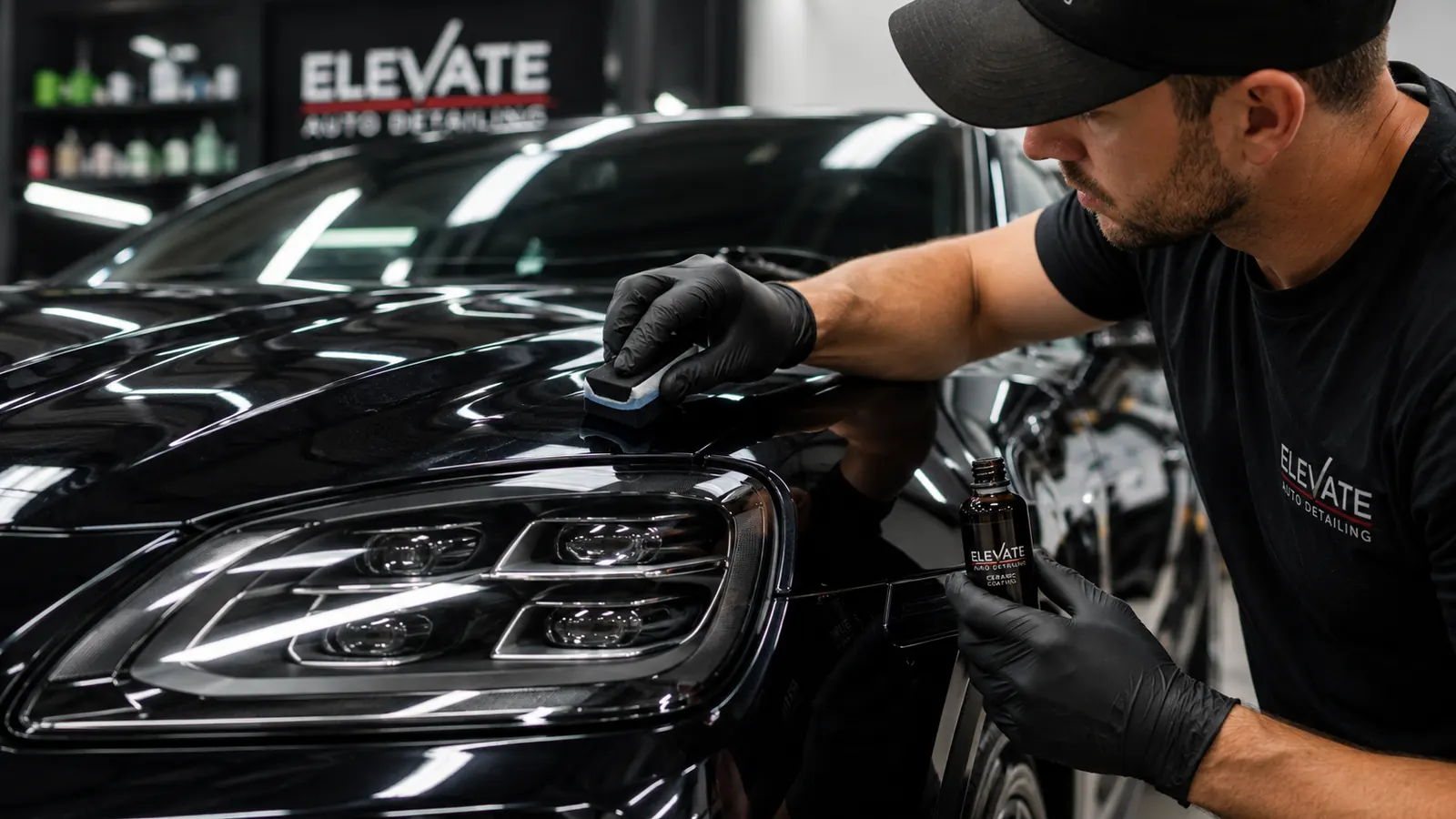
For the complete parent strategy, start with our car detailing marketing pillar guide. This article focuses on ppf marketing and how it connects to lead generation, local visibility, paid traffic, and booked appointments.
The PPF Marketing Opportunity in 2026
Paint Protection Film is no longer a luxury-vehicle exclusive. As film technology has improved and prices have become more accessible, PPF is increasingly popular on performance vehicles, family SUVs, and high-value daily drivers. This market expansion creates a larger addressable audience — but also increasing competition from installers entering the market.
A useful PPF marketing system connects demand capture, education, proof of installation quality, and a clear path to a qualified quote. This guide explains how those components work together.
SEO Strategy for PPF Installers
PPF SEO usually needs dedicated service information because a generic detailing page may not answer the installation, package, film, warranty, pricing, and vehicle-fit questions a PPF buyer is researching.
Build dedicated pages for: PPF overview page (primary keyword: 'paint protection film [city]'), full vehicle PPF, partial front PPF package, sport package PPF (hood and mirrors), specific vehicle PPF pages (Tesla Model 3 PPF, Ford Raptor PPF — high-volume specific searches), and film brand pages if you install multiple brands (XPEL PPF, SunTek PPF, 3M PPF).
Create a separate page only when the package, vehicle type, film brand, or search intent warrants one. Each retained page should clearly explain the product, installation process, warranty terms, pricing factors, proof, and next step. Internal-link related PPF pages and complementary services such as ceramic coating.
Google Ads for PPF: High-Intent Search Capture
PPF Google Ads should target commercial-intent searches: buyers actively looking for an installer, not researching the product. Campaign structure: Ad Group 1 — Generic PPF (paint protection film [city], PPF installer near me, PPF shop [city]). Ad Group 2 — Full Vehicle (full body PPF cost [city], whole car paint protection). Ad Group 3 — Front Package (front end PPF, partial PPF [city]). Ad Group 4 — Brand Specific (XPEL PPF [city], SunTek PPF installer).
PPF ad copy should address verifiable buyer concerns such as installation quality, package coverage, film brand, warranty terms, availability, and price expectations. Only advertise certifications, warranty periods, materials, or outcomes the shop can document and deliver.
Convert PPF Interest Into Qualified Quote Requests
The destination page should continue the promise made by the keyword and ad. Show package coverage, vehicle examples, installation photos, film options, warranty details, pricing factors, and a visible quote path. A short estimator can help qualify demand when it asks only for information needed to prepare a useful range, such as vehicle, package, film preference, and location.
Measure more than form submissions. Connect the campaign source to valid inquiries, consultations, quoted packages, booked installations, revenue, and margin. This separates cheap but unsuitable leads from campaigns that produce commercially useful work.
Video Marketing for PPF
PPF installation video can educate prospects on process and craftsmanship. The visual work—film preparation, fitting around curves, plotter use, edge finishing, and final inspection—also gives buyers evidence they can evaluate.
Video content ideas for PPF installers: full installation time-lapse (compress a 2-day full-vehicle installation into 3–5 minutes), specific panel installation tutorials (hood wrapping, mirror coverage), heat gun techniques on complex curves, paint chip damage comparison (unprotected vs PPF-protected panel after impact), film clarity demonstration (optical clarity tests showing film invisibility), self-healing demonstration (scratching the film and showing thermal recovery).
YouTube SEO for PPF: upload videos with keyword-rich titles ('XPEL PPF Full Vehicle Installation — [Car Model] at [Shop Name]'), detailed descriptions with location and service information, chapter markers for longer videos, and playlists organized by vehicle type. YouTube videos rank in Google search results and drive direct traffic and lead inquiries.
Before-and-After Content for PPF
PPF before-and-afters are different from detailing transformations — the point isn't to show a dirty-to-clean transformation, but to demonstrate clarity and protection. Effective PPF before-and-afters show: the paint's condition before installation (noting vulnerable areas like the leading edge of the hood, front bumper, mirrors), the installed film's optical clarity (near-invisible installation with no orange peel, bubbles, or edge lifting), paint chip damage on an unprotected panel next to PPF-protected paint (if you have comparison examples), and the self-healing property (a demonstration of light scratches disappearing).
Local Marketing for PPF Businesses
PPF installation has a practical service radius, so local visibility and trusted relationships are important. The realistic radius depends on job value, market density, specialist reputation, and customer willingness to travel.
Relevant local opportunities can include dealership relationships, car shows, owner clubs, automotive suppliers, complementary tint or detailing businesses, and community groups. Participate with useful expertise and transparent commercial terms rather than treating every community as an advertising list.
Referral Partnerships for PPF Installers
Dealerships, repair specialists, tint shops, detailers, wheel and tyre businesses, and enthusiast organizations can introduce new-car owners who are already considering protection. Define how referrals are recorded, how customers are handed over, what service standard is expected, and whether any incentive is permitted and disclosed.
Existing customers can also generate referrals. Build the request into post-installation follow-up, provide a simple way to share the shop, and make sure any reward complies with applicable platform, contractual, and local rules.
Frequently Asked Questions
What's the most effective PPF marketing channel for a new installer?
Start with the channel that matches current demand and operational readiness. Search advertising can capture active buyers, Google Business Profile supports local discovery, and referral partnerships can create trusted introductions. Track qualified bookings before declaring one channel the winner.
Should I specialize in specific film brands for marketing purposes?
Yes. Becoming an authorized installer for a reputable brand (XPEL, SunTek, LLumar, 3M) provides marketing advantages: brand's own consumer marketing directs buyers to find authorized installers, improved credibility, and access to warranty that consumers can verify. Multiple brand authorizations appeal to customers with brand preferences.
How do I explain PPF pricing to customers who think it's too expensive?
Explain package coverage, installation quality, film characteristics, warranty terms, maintenance, and the customer's alternatives. Use the shop's real prices and documented examples rather than universal repair-cost or protection claims.
Is YouTube worth the effort for a PPF installer?
It can be useful when the shop can consistently document installations, answer buyer questions, and connect videos to local service pages or quote paths. Measure assisted inquiries and qualified bookings, not views alone.
Conclusion
PPF marketing works best as a connected system: search and local visibility capture demand, content demonstrates expertise, service pages qualify buyers, referral relationships create trusted introductions, and closed-loop measurement shows which sources produce profitable installations.
Related Resources
- Car Detailing Marketing Guide
- Ceramic Coating Marketing Guide: How to Sell More High-Ticket Packages
- Mobile Detailing Service Areas and Booking
Need the full SEO, ads, content, and booking system connected? Read the car detailing marketing pillar page or book a free Powerhouse Media growth audit.
Car Detailing Marketing Cluster
Build the full detailing growth system
Ready to apply this to your brand?
We partner with brands looking to scale profitably.
Apply for a strategy call